

Part One: Out of My Element
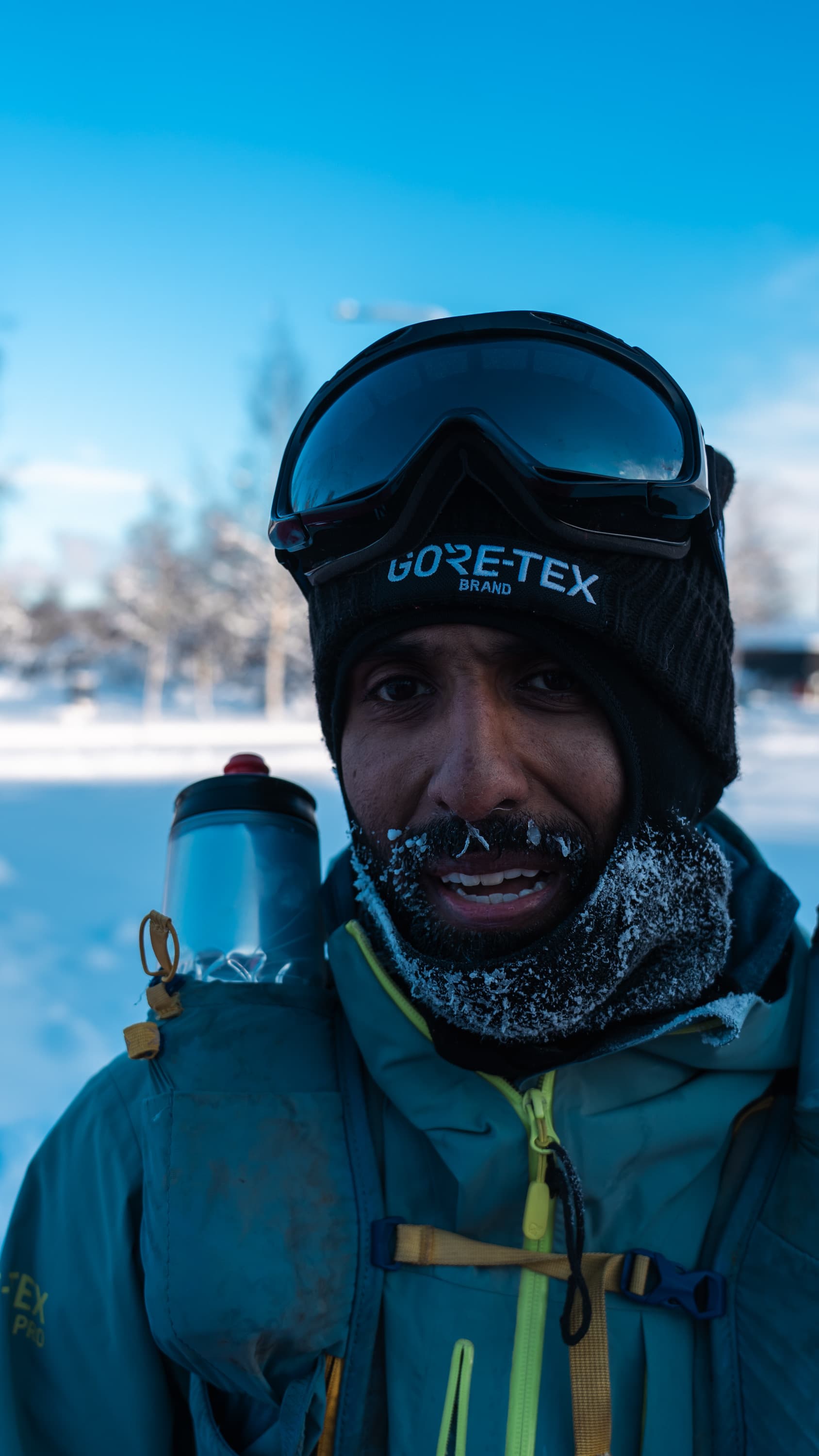
When I prepare for races, there is a vision in my mind of what that event is going to be like. When I stepped off the plane in Northern Sweden and felt the sting of negative temperatures, I knew most of that vision would be rewritten. My vision carried a lot of imagination due to lack of knowledge on the Arctic Circle. As a lifelong Californian, snow was out of my element. Even during training, finding the conditions I needed was a challenge. When I landed in Northern Sweden in the town of Luleå, I knew I could never truly be prepared physically for the most remote wilderness in all of Europe.
The Ice Ultra is a self-sufficient, 230-KM, 5-day stage race set in the Swedish Lapland. To clarify self-sufficient, you had to carry all your own layers, food, medical provisions, and other race supplies for five-days. At its peak, my pack weighed about 11 kg and that was with my snowshoes on my feet. Aside from medical safety checkpoints with water, you and the other athletes would face the wilderness solo but together.
The night before the race did nothing to silence my mind. After a briefing by the race team and a gear check, six of us were to share a yurt in negative temperatures. The only thing that kept us from freezing besides our layers were the reindeer skins provided by the Northern Sami Tribe, the indigenous peoples who resided in the Swedish Lapland. One restless night later, we were off for Stage One of the race.
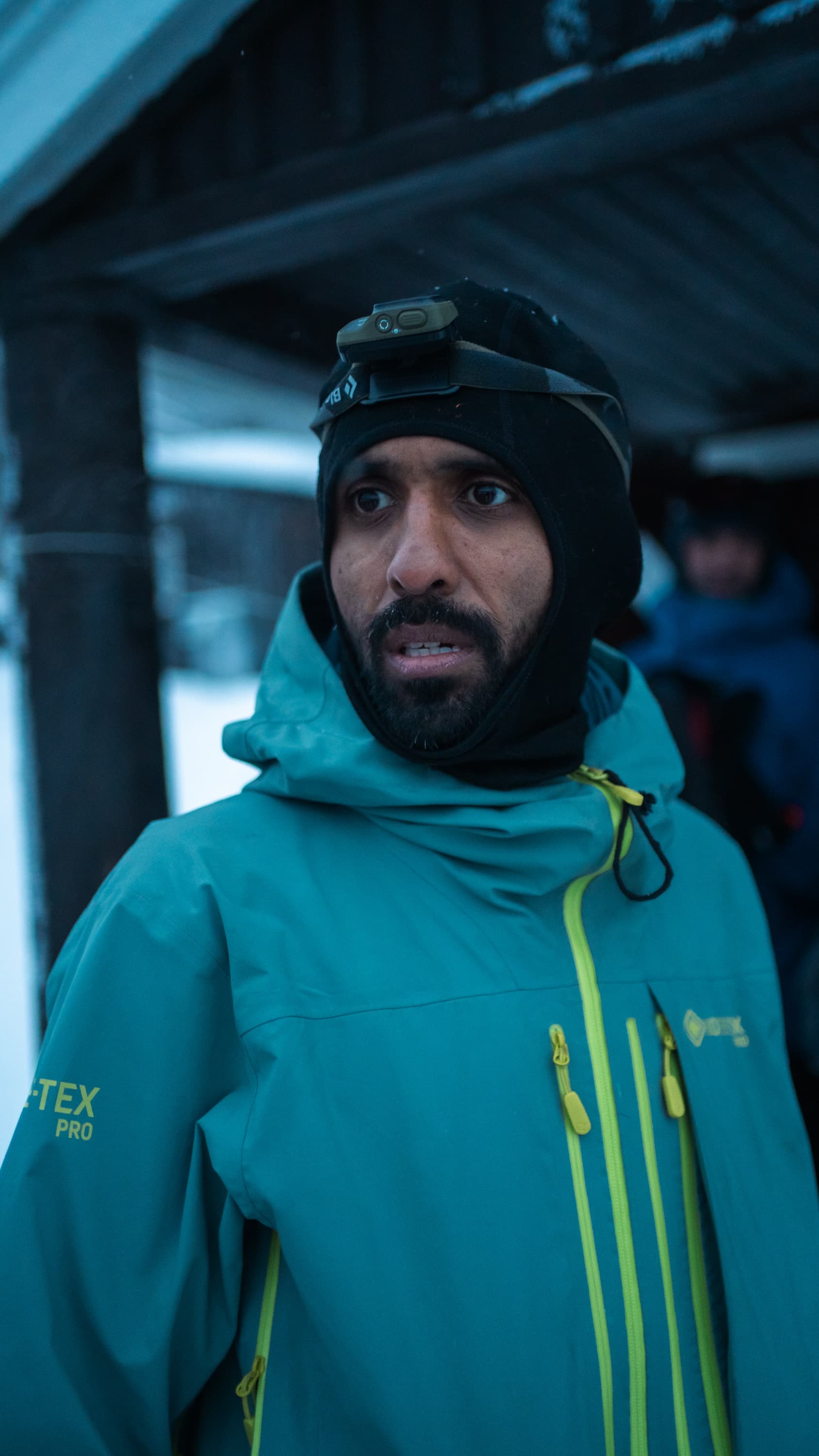
The first two stages would statistically be the toughest of the entire race. Furthermore, they featured the most climbing of the entire race and included a traverse over the infamous Mount Kabla, a peak that could change in weather within minutes. If the first night didn’t rattle us enough, the quad burning climbs in snowshoes did that. The first day was almost 50 KM, with most of that spent in snowshoes.
The biggest struggle was figuring out my layers. Although temperatures remained below the freezing point of water, Sweden’s snow and cold carried a constant wetness to it. Nonstop moisture and extreme temperatures meant having rugged outdoor layers that could remain both breathable and waterproof. Gear choice was paramount. My GORE-TEX® Pro Freeride Jacket remained on top of my gear the entire race and I took advantage of the vents around the jacket to regulate my body temperature when I got too hot. Following the example set by my teammates GORE-TEX® Brand teammates Max Palm and Manon Loschi, I knew I could not go wrong with the recommendation of two incredible freeriders. In addition to the jacket, my Mountain Hardwear Sky Ridge GORE-TEX® Pants also had vents. With only a merino wool thermal underneath the pants, I took advantage of the vent zippers once more to maintain a resilience to the wet cold while managing heat on climbs.
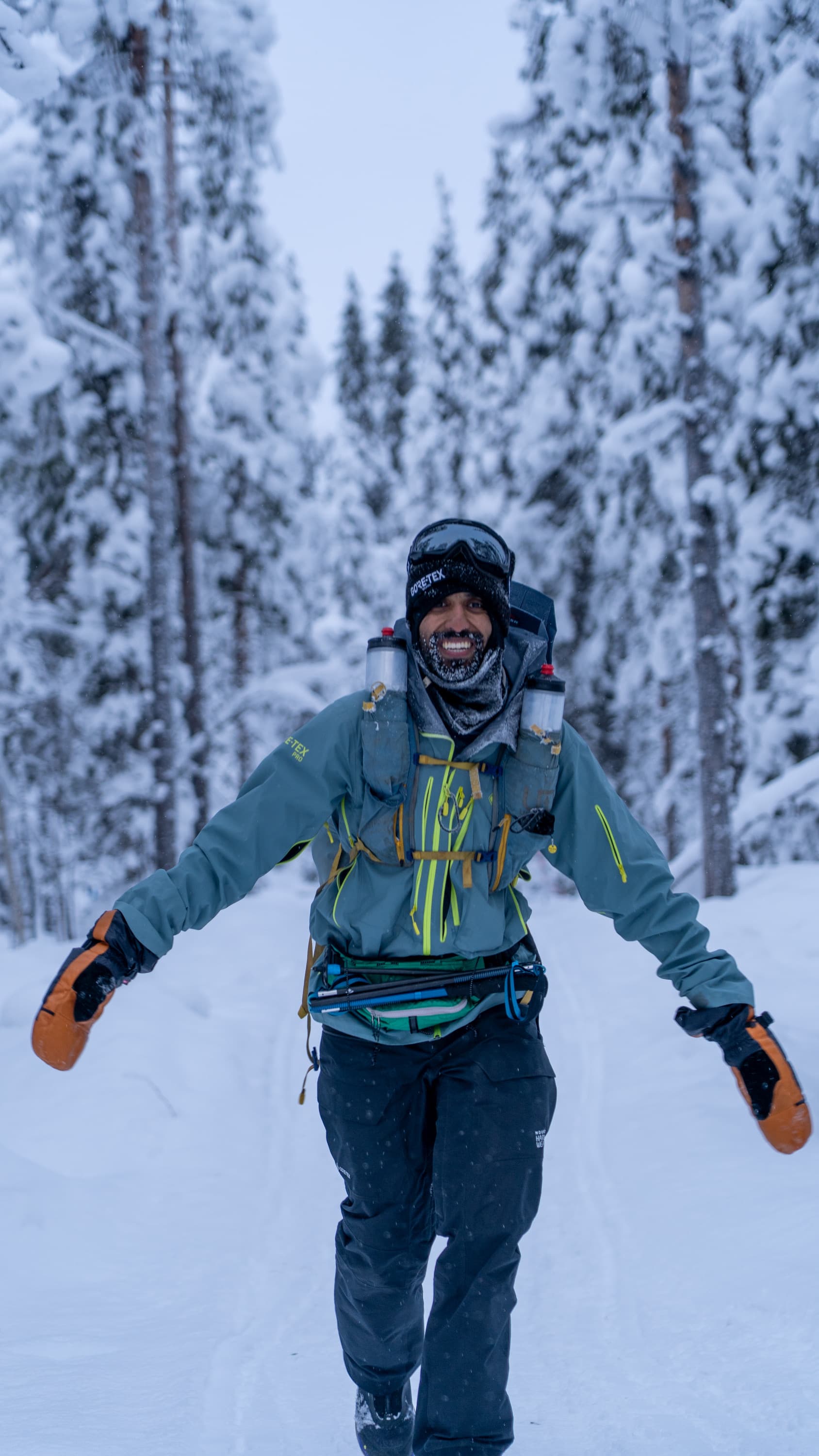
As the sun set and the night turned dark, I stumbled into our first set of cabins. My snowshoe on my right came off over the last kilometer and I trusted in my Oboz shoes with GORE-TEX® Invisible Fit product technology to take me the rest of the way. Exhausted, I sat inside the cabin, unable to make my hot water until I took a few moments. Thankfully, all of the amazing athletes supported each other. The tips of my fingers were painful as I removed my gloves, but I ended up being medically safe from frostbite. As we took turns stoking the fire in the cabin through the night, I wondered what the next day might look like.
Part 2: The Final Stretch
Stage 2 arrived and after a long stretch of forest and frozen lakes, the course sent us into a quad-burning climb up the side of Mount Kabla. While visibility was expected to be 50 meters, the day ended up being one of the clearest. While that day eventually came to an end, I felt on top of the world for a moment and truly reflected on how far I’ve come in the snowy silence. The third stage was a recovery marathon spent on frozen lakes, mostly alone. Shuffling through the trees and a Sami village, I ran and walked, finding rhythm for the first time. I could see the island on the frozen lake where our hunter cabins awaited us.
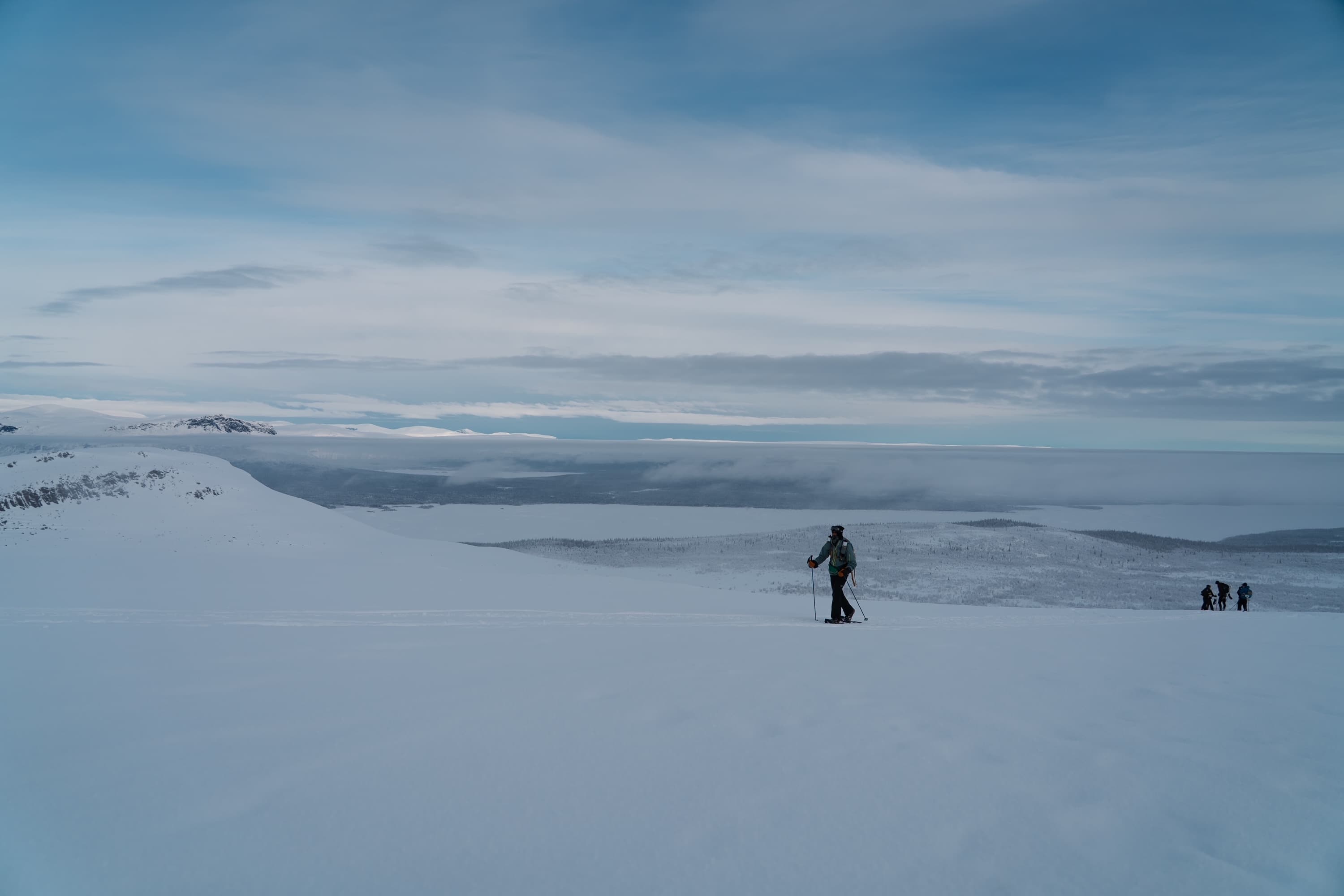
During this stage, the monotony helped me recover on my feet as I fueled more. Though my strategy was far from perfect, being on a frozen lake for hours gave me the time to dial in small things. For example, drinking water was hot, but even insulated flasks wouldn’t stop the water from freezing within an hour. Other small things such as when to remove my gloves, to put my snowshoes on, and to run also became instinctual as I adapted to my harsh environment. Fortunately, I shared some incredible kilometers with some incredible humans to pass the time.
A cold night in the cabin led to an early start. Now, we would have to face the Penultimate stage. Before the sun rose, we stood ready in our snowshoes. Over the course of the days, my hamstring began to flare up and my feet had become raw. Nothing could prepare you for the beating of putting over 100 KM in snowshoes on your feet. The penultimate stage was where I faced myself in the cold. Alone for most of the day, I listened to the same few songs and my audiobook. The rest of the time was silence.
As I passed the course safety cutoff at the 50 KM mark, the sun began to set and the fog rolled in. In my bubble, I began to grow emotional and think about how far I had come. Moments after this thought, I saw my first and only reindeer. Majestic and covered in snow, he looked at me peacefully and I knew everything would be ok in the end. Minutes felt like hours as every step was painful in the dark. The last stretch went on forever. Eventually, I saw the lights of camp, almost 13 hours after I had started.
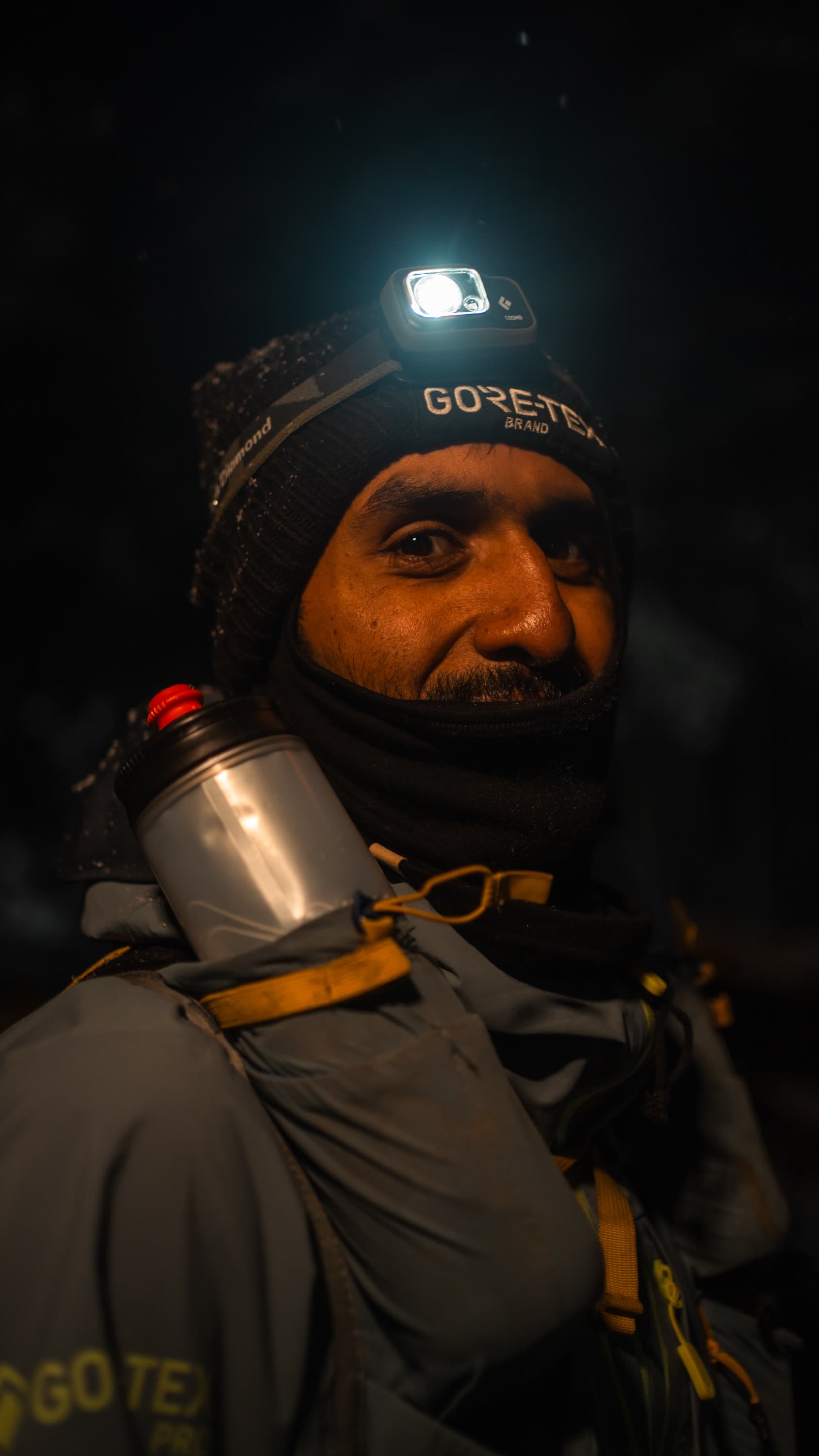
Tired, I laid down on my sleeping pad, broken but triumphant, knowing only 15 KM stood between me and my finish line. The next day, we had a late start. The final runners came in around midnight and also continued on for the final stage with much less rest and much more time on their feet. To me, they were the true champions.
Putting on my GORE-TEX® Jacket one last time and suiting up, it was time for one last photo. Until the sun rose, I had not realized where we were: the Arctic Circle. Being the child of South Asian immigrants and born in a concrete jungle, I could not believe where my journey had taken me. Tears welled up in my eyes and threatened to freeze like my lashes. After our picture moment, the final 15 KM commenced.
The time passed by both quickly and slowly, but I didn't want the journey to end. My body had amassed a big deficit (which I found out was losing almost 3 KG) and my feet ached with each step. On the other hand, my pack was the lightest it had ever been and I flew, putting one foot in front of the other. In the last 2 KM, I grew emotional once more and embraced my feelings. This was what it was all about. Truthfully, I never cared about being strong or feeling powerful. In this race, I got exactly what I wanted: my limits were pushed once more to the breaking point.
At my finish line on the red carpet, with other participants (and now friends) awaiting me, I breathed a sigh of relief. Like always, my beard was completely covered in ice, every breath stung, but I felt a relief and joy. That night was filled with celebrations and a medal ceremony, all after a warm shower. As I went back to my cabin to sleep, I remembered the biggest reason why I do this: the people and the memories. Testing my limits is an incredible privilege, but there is no greater privilege than sharing these intense adventures with likeminded human beings. The essence of these extreme adventures lies in the camaraderie built with these strangers of different walks of life. As I felt my long week come to a close, I thought about what stories awaited on the horizon.