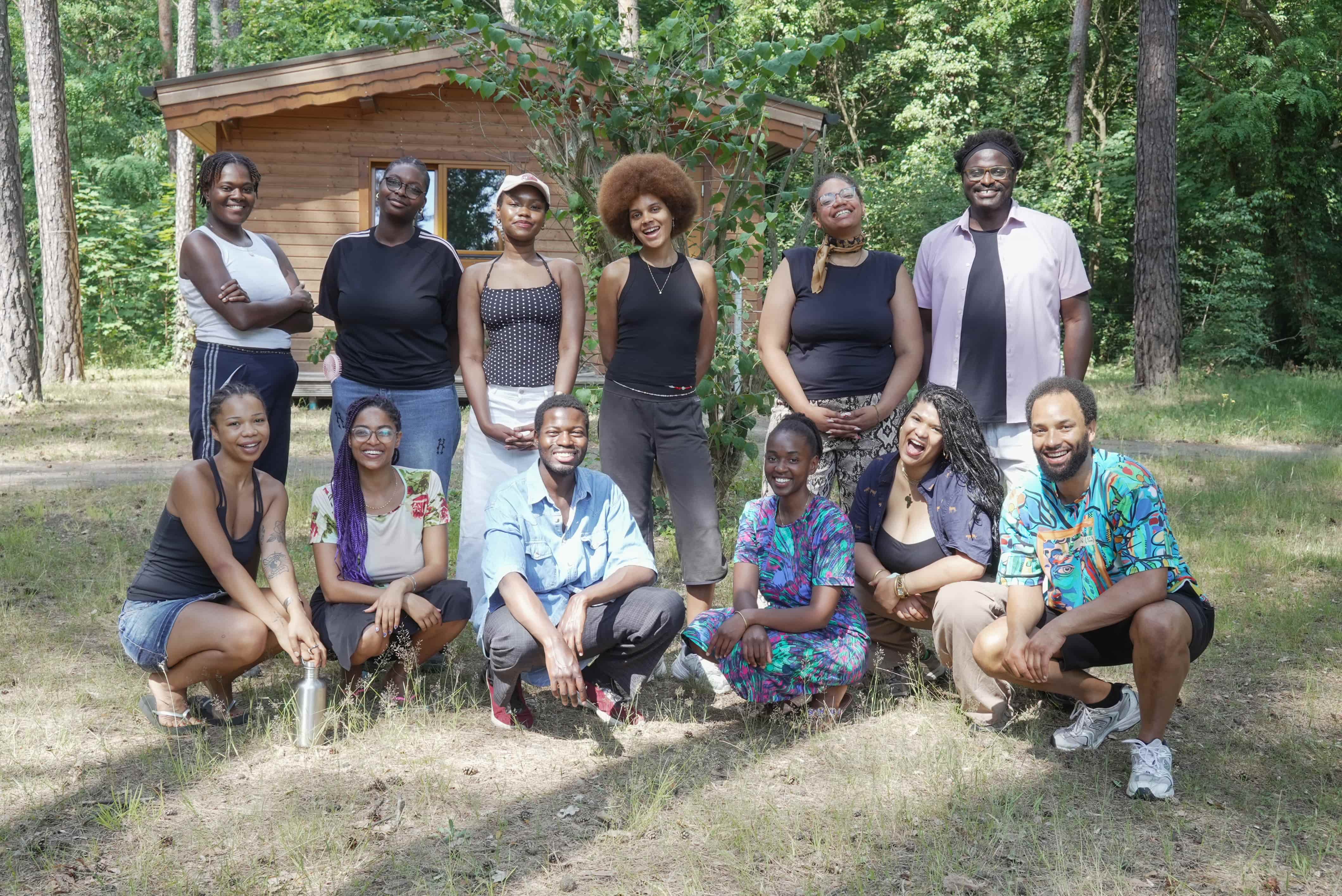


A conversation with Anthony Owosekun, founder of EMPOCA — a non-profit based in Germany creating access to nature for Black children and young people through outdoor camps, community and safer spaces.
There are questions that seem simple at first.
Who gets to be in nature?
Who feels welcome there?
Who does the forest, the lake, the mountain, the trail belong to?
And then there are answers that show how much deeper these questions really go.
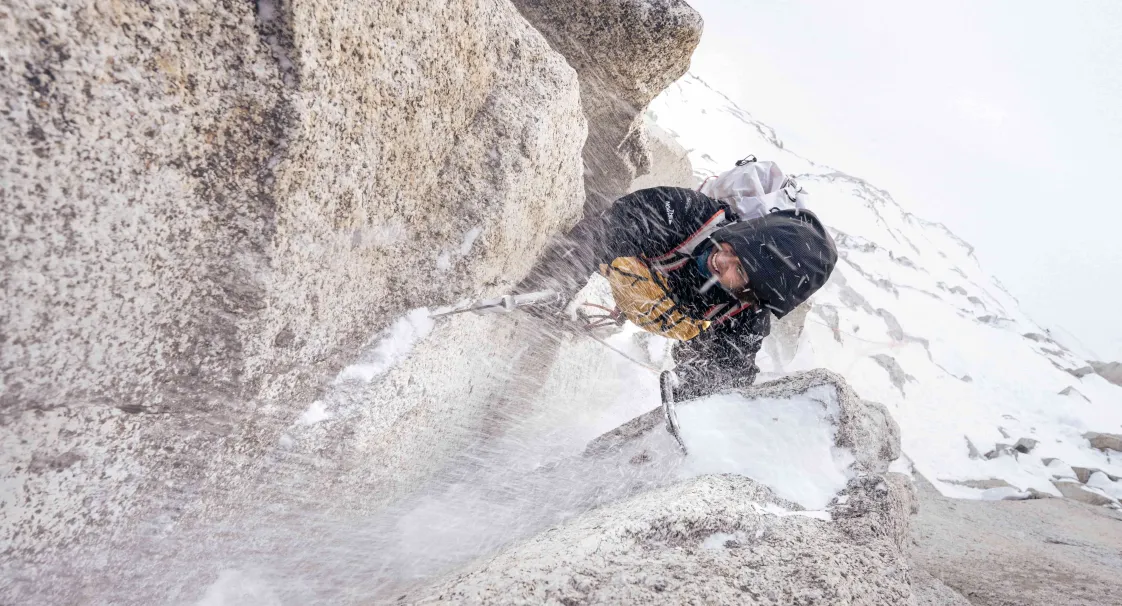
As the GORE-TEX® Brand, we believe that access to the outdoors is not only about products, performance or protection. It is also about understanding who feels invited, who feels safe, and what needs to change so that more people can experience nature with confidence and belonging.
That is why we wanted to support organisations like EMPOCA: to listen, to learn, and to better understand what meaningful support from a brand can look like when the work is already being led by communities themselves.
I had the chance to speak with Anthony Owosekun, founder of EMPOCA. EMPOCA creates access to nature for Black children and young people through outdoor camps, educational formats and its Black Nature Heroes programme. Its work brings together nature, community, empowerment and mental health — in spaces designed with care, trust and belonging at their centre.
What stayed with me most from our conversation was this: we were speaking about the outdoors, yet very quickly, we were speaking about something more fundamental. About belonging. About what needs to happen so that a person is not merely present outside, but can actually arrive.
When Access Is Not the Same as Belonging
Anthony shared a formative moment from his childhood. He was around ten years old when he joined the scouts. At first, it felt like a promise: nature, stars, adventure, other children, a summer that held more than simply staying home for weeks.
Nature felt right. The stars, the silence, the curiosity, learning outside of school. At the same time, the social space around it did not feel safe.
He noticed that he did not have the same equipment as many of the other children. Then came the questions: Where are you from? No, where are you really from? Where are your parents from?
For some people, these questions may sound harmless. Curious, perhaps even well-intentioned. For people who are repeatedly marked as “different”, they can become part of a familiar interrogation. Something shifts. Suddenly, you are no longer simply a child at camp. You become an explanation. A family history. A representative of an identity that others want to locate.
Anthony described how these moments are felt physically. The body contracts. The shoulders tighten. The breath changes. A child may try to adapt, stay polite, avoid standing out. The situation is made small from the outside. The body remembers it anyway.
This experience became a key moment for Anthony. Nature itself felt like a place he wanted to be. The group around it made that difficult. The forest was not the problem. The social codes were.
Why Safer Spaces Matter
This is where the deeper meaning of EMPOCA begins.
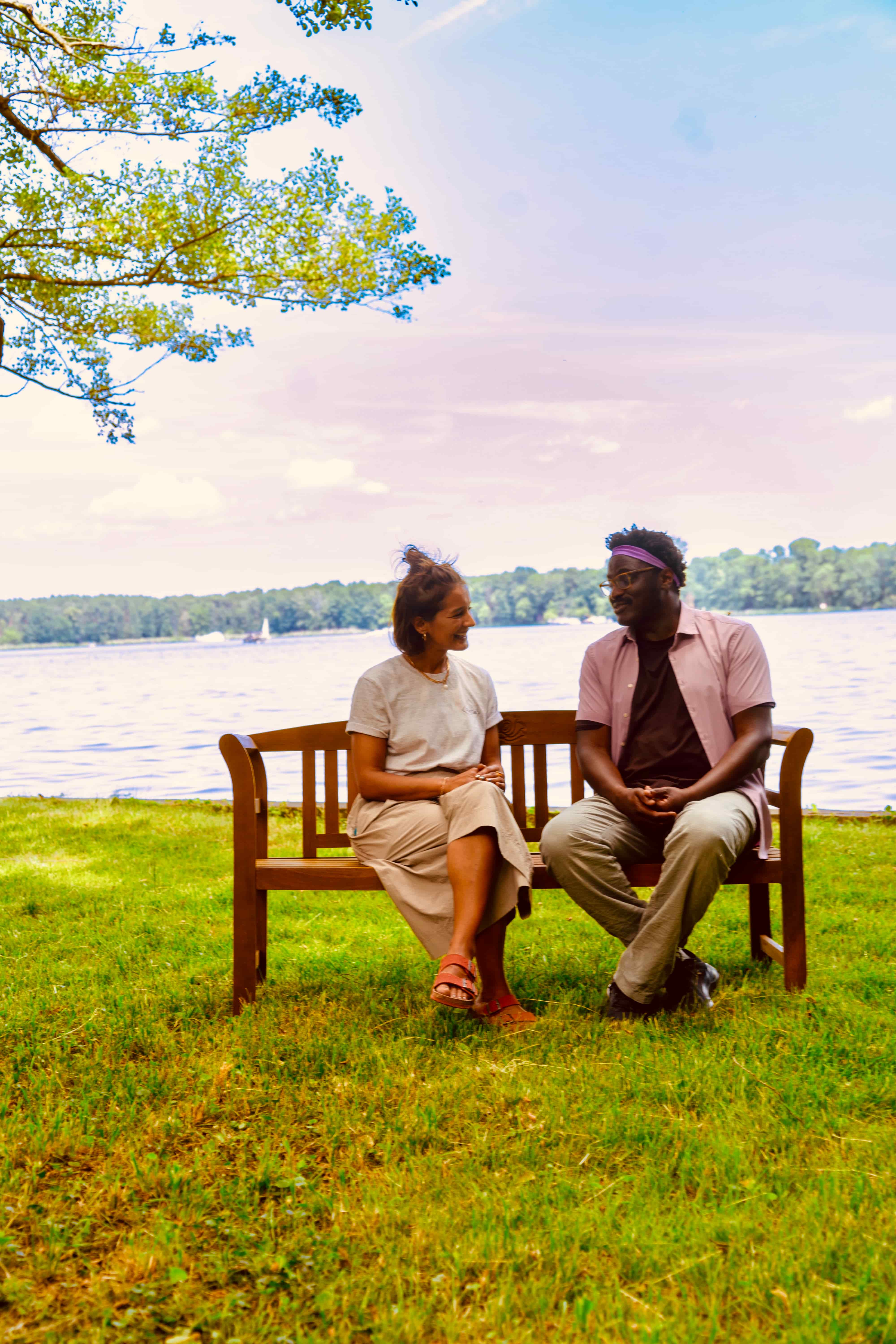
EMPOCA does not create safer spaces to make nature exclusive. It creates them so that young Black people can experience nature without first having to explain, defend or translate themselves. These are spaces where experiences of anti-Black racism, othering and constant alertness are understood from the start.
This also means understanding that there is no single Black experience. There are dark-skinned people, light-skinned people, mixed people, white-passing people. There are people with family histories connected to Africa, the Caribbean, North America, South America and many other diasporic contexts. There are people socialised in Germany and people whose parents or grandparents carry very different cultural histories.
While experiences vary considerably, Anthony described recurring themes around belonging, identity and visibility that many participants discuss within EMPOCA's programmes.
Again and again. Sometimes openly, sometimes subtly. In institutions, in classrooms, on playgrounds, in outdoor spaces.
Mental Health as Everyday Practice
Anthony also described how EMPOCA structures its days. Mornings often begin with a mindfulness circle. Children and Nature Heroes check in: How am I here today? What does my body feel like? What are my shoulders doing? What do I need?
This is not merely a cognitive check-in. It is physical. A simple, almost radical act of noticing: I am here. My body is here. I am allowed to feel how I am doing.
There are small rituals: shaking out tension, body scans, breathing exercises, sound meditations. Sometimes the children wear sleep masks and simply listen. One minute at first, then a little longer every day. What is there? Birds. Wind. Leaves. Footsteps. Silence.
Anthony said that these exercises are often among the things children enjoy most. Maybe because many of them rarely experience this kind of quiet. No phone. No sugar. No constant outside noise. Just listening. Just sensing. Just being there.
Suddenly, nature becomes concrete.
As an experience: I can hear leaves. I can notice my breath. I can become quiet without disappearing.
In the evenings, smaller reference groups create space for another check-in. Which emotions were here today? Joy, anger, shame, pride, fear, calm, overwhelm? Naming emotions is a form of learning. When children find language for their inner world, they begin to understand themselves differently.
It is self-regulation. Body awareness. Belonging. The experience that your body does not need to remain on alert all the time.
What This Means for the Outdoor Industry
When we speak about inclusion in the outdoor industry, it is not enough to invite people outside. We have to ask what happens once they arrive.
Who feels expected?
Who feels observed?
Who is able to simply take part, without having to explain who they are or why they are there?
This is where the work of organisations like EMPOCA becomes so valuable. They do not only create outdoor experiences. They create trust. They understand the nuances, the tensions and the emotional realities that can shape whether a space feels open or closed.
For brands and partners, this asks for a thoughtful role.
Not to define the community from the outside, or simplify complex experiences into easy storytelling. But to listen, support and help create conditions in which more people can experience the outdoors with confidence, joy and belonging.
That may mean sharing resources, or giving visibility to work that already exists. It may mean learning from community-led organisations before deciding what inclusion should look like. Because access is not only an invitation. It is a shared responsibility.
A Place to Arrive
EMPOCA shows that nature can be much more than leisure, sport or adventure. It can become a place where young people feel themselves again. A place for ease, freedom, self-love, adrenaline, silence, community and healing.
A place where a child is not asked where they are really from, but how they are here today. Maybe real inclusion begins there. With a child sitting in the forest, eyes closed, realizing for the first time: I can even hear the leaves.
A Place to Belong
EMPOCA shows that nature can be much more than leisure, sport or adventure. It can be a place where young people find community, confidence and a sense of belonging. To learn more about Anthony's work and EMPOCA's programs, visit EMPOCA.org and EMPOCA's Instagram account.