


One of the most sustainable choices isn’t just what you buy—it’s how long you wear it. That’s why we design products that last.
The clothing industry is producing more and more low-quality items, with each piece being worn fewer and fewer times. The EU predicts that clothing sales will increase by 60% by 2030 [1], leading to greater pollution, waste, and climate impact. To reverse this trend, we need to buy less, buy better, and get the most out of each item we own.
A recent study shows that if you wear a garment for twice as long without buying a new replacement, it can nearly halve its environmental impact.[2] That’s why, at Gore Fabrics and the GORE-TEX® Brand, we believe the most sustainable products are the ones that last.
Durability: A Critical Part of the Solution
In conversations about sustainable fashion, people often focus on materials: natural fibers, recycled textiles, or organic cotton. These are important choices, but the type of fiber we choose for a material only reflects a limited part of the environmental life cycle cost of a product. Following these studies, we know that extending a product’s life—keeping it in use for as long as possible—reduces a piece of clothing’s impact more than any single material change.
Yet this critical factor is often missing from traditional Life Cycle Assessments (LCAs), which measure environmental impact across stages such as fabric production, dyeing, product manufacturing, transportation, and washing. That’s why at Gore, we’ve long used LCAs to improve our products, and why we’re now collaborating with researchers and industry partners to establish a common method to evaluate durability.

What Makes Something Durable?
Sustainability experts have defined durability as “the ability of a physical product to remain functional and relevant over time when faced with the challenges of normal operation.” [3] This concept has two key components:
- Physical durability – how long a product remains functional.
- Emotional durability – how long a product remains relevant and desirable.
In other words, you can only wear an item for twice as long if it is not only well-made but also comfortable and aesthetically appealing. Within the industry, we need both mindful production and mindful consumption. Don’t buy clothes you won’t continue to wear or pass on.
Reducing Impact Through Longevity
As a sustainability expert, I often tell people: don’t buy more. Buy better. Choose pieces that are made to last, that fit your life and your style, and that you’ll continue to wear for years.
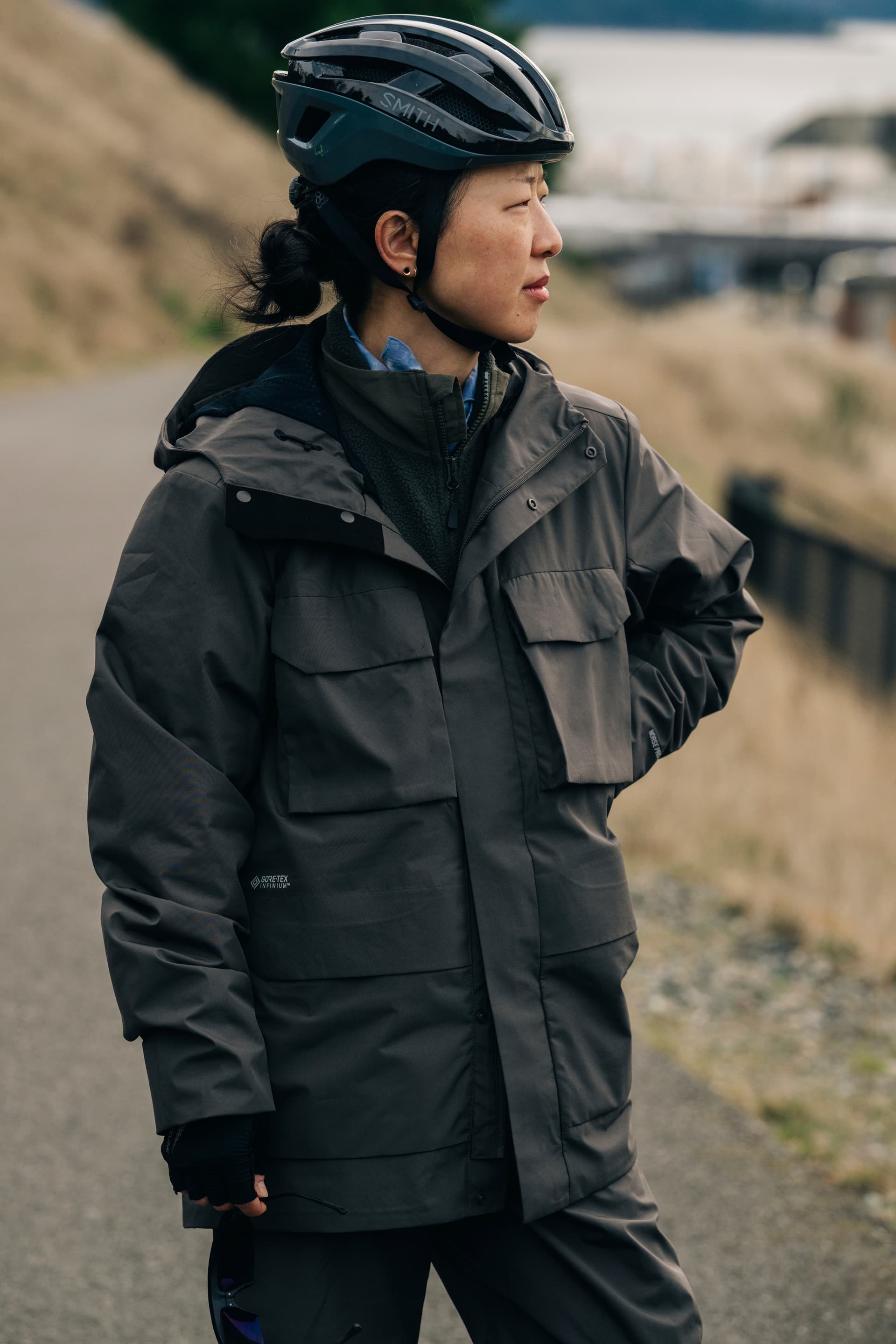
At Gore Fabrics, we design GORE-TEX® Products with this principle in mind. From rigorous performance testing to timeless design, our goal is to help people wear more and waste less—reducing impact through longevity.
An Emotional Choice That’s Also More Sustainable
When I first started working in sustainability, I was frustrated that environmental considerations weren’t the primary factor driving people’s purchasing decisions. Many times, people would prioritize how something looks and how it fits rather than considering whether it had been made using ethically sourced or lower-impact materials.
Now that I better understand the relative footprint of products, and how much that footprint can be reduced simply by wearing a garment longer, I’ve come to realize that emotional choices can be the more sustainable ones. So, choose the jacket that looks great on you that you truly love, even if it’s more expensive. But only buy that one and wear it until it reaches the very end of its life. That’s the best choice you can make to lower the impact of your clothing consumption.
Sources:
[1] A New Textiles Economy, Ellen MacArthur Foundation, 2017
[2] Chalmers University Of Technology, “Environmental Assessment Of Swedish Clothing Consumption – Six Garments, Sustainable Futures,” (2019)
[3] “Vision of a Circular Economy for Fashion”, Ellen MacArthur Foundation, 2020